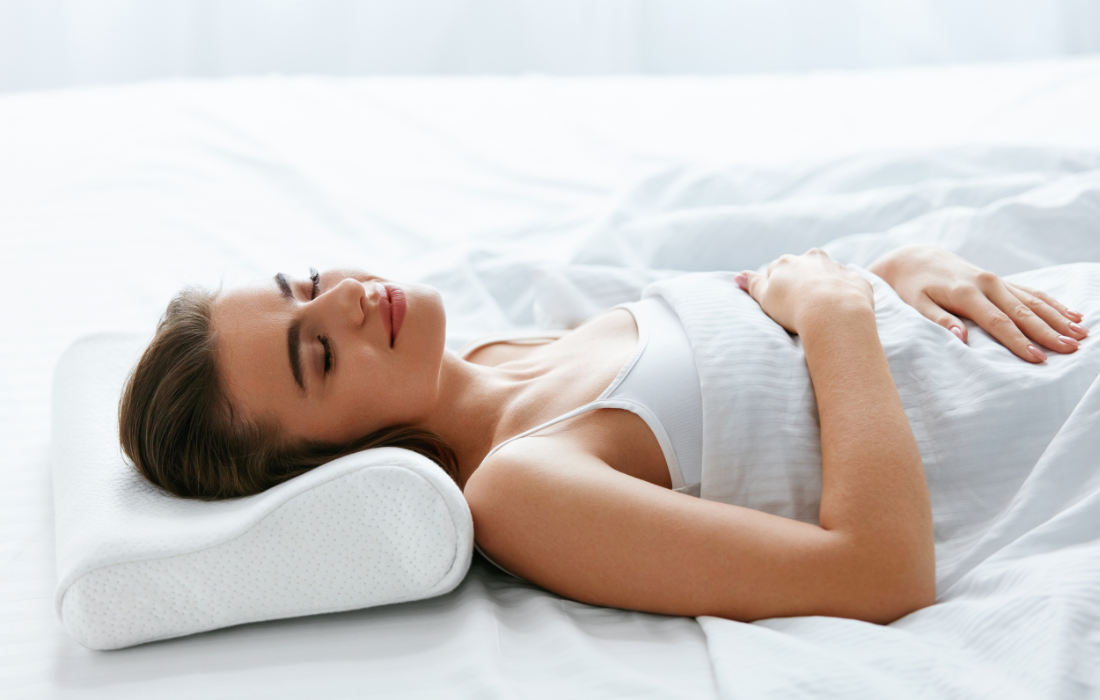
Fans don't actively lower the room temperature, but rather create a cooling effect on the skin through air movement. They help improve air circulation and prevent heat buildup. Additional cooling can be achieved through evaporative cooling: Place a bowl of ice or frozen water bottles in front of the fan. This will make the airflow cooler, lowering the perceived temperature.
Tip: Combine the fan with damp cloths or ice to effectively cool the air and make the room more comfortable.
General rules:
Ideally, a fan should be placed in the center of the room to distribute the air evenly. Maintain a distance of at least 20–30 cm from the wall to prevent air or moisture buildup. Since warm air rises, it's advisable to place the fan on the floor to utilize the cooler air at floor level.
Tip: Position the fan so that it distributes the cooler air from the floor while simultaneously pushing warm air upwards.
If the outside temperature is lower than the inside temperature:
If the outside temperature is higher:
Tip: Ventilate the interior spaces in the evening or early morning when it is cooler outside to bring fresh air into the bedroom.
Positioning:
Do not point the fan directly at your body, but rather at an angle towards the ceiling or wall. This ensures even air distribution and prevents drafts. For bedrooms, particularly quiet fans with DC motors are suitable, as they are also energy-efficient.
Tip: Choose a quiet fan with a timer function so it switches off automatically when you fall asleep. This way you can rest peacefully without having to worry.
Use damp cloths or ice in front of the fan to maximize the cooling effect. This is especially helpful on humid nights.
Tip: Hang a damp towel over a chair in front of the fan – this increases the cooling effect in the room.
Firefighting technology (negative pressure ventilation):
Position the fan a short distance from the window (approximately 1 meter) so that the airflow reaches all corners of the window. This creates a negative pressure that draws warm air out more quickly and allows cooler air to flow into the room.
Tip: Use this trick especially in rooms with two opposing windows for maximum efficiency.
Use rotating fans with a large tilt angle for better air circulation throughout the room.
Tip: Adjust oscillating fans to cover different areas of the room alternately – this ensures even cooling.
Avoid drafts: Direct airflow towards the body can cause muscle tension or colds. Keep a distance of several meters from the fan. Do not place the fan near animal cages or small children, and use models with protective grilles for added safety.
Tip: Position the fan so that it creates indirect airflows – this is more pleasant and healthier for your body.
A fan is an effective aid against summer heat when used correctly:

My additional tip:
"Turn on the fan some time before going to bed to prepare the bedroom. Combine this with a lukewarm shower before lying down. With these simple measures, you can create a pleasant sleeping environment."


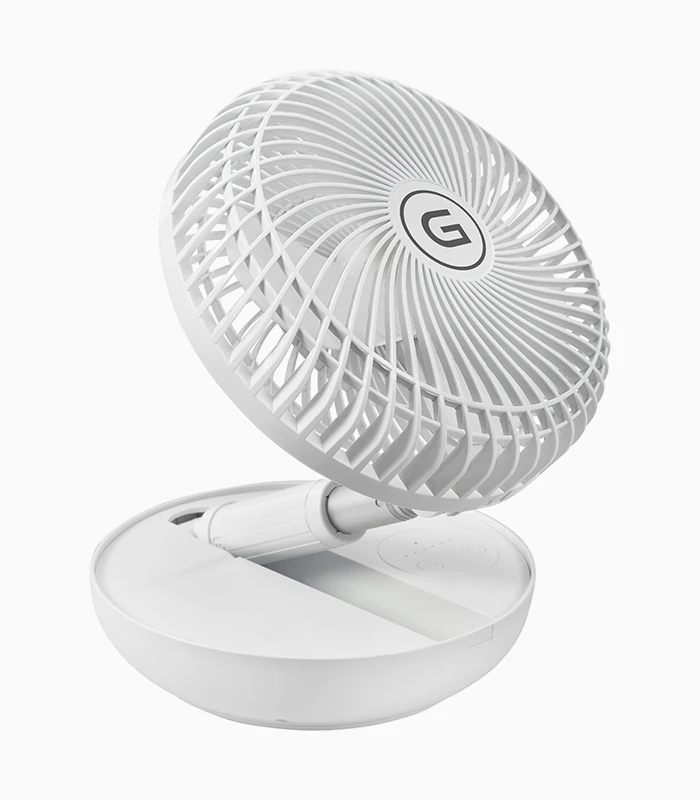
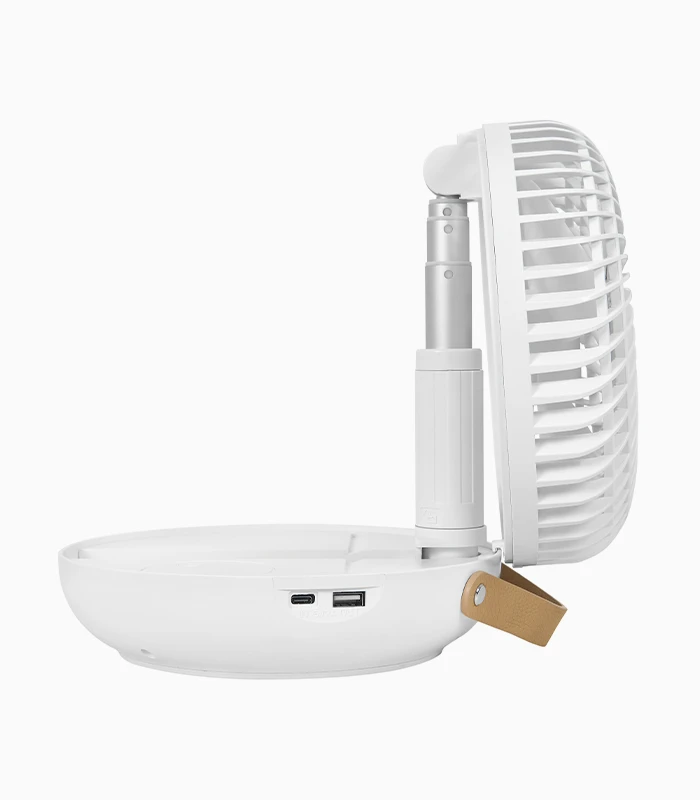
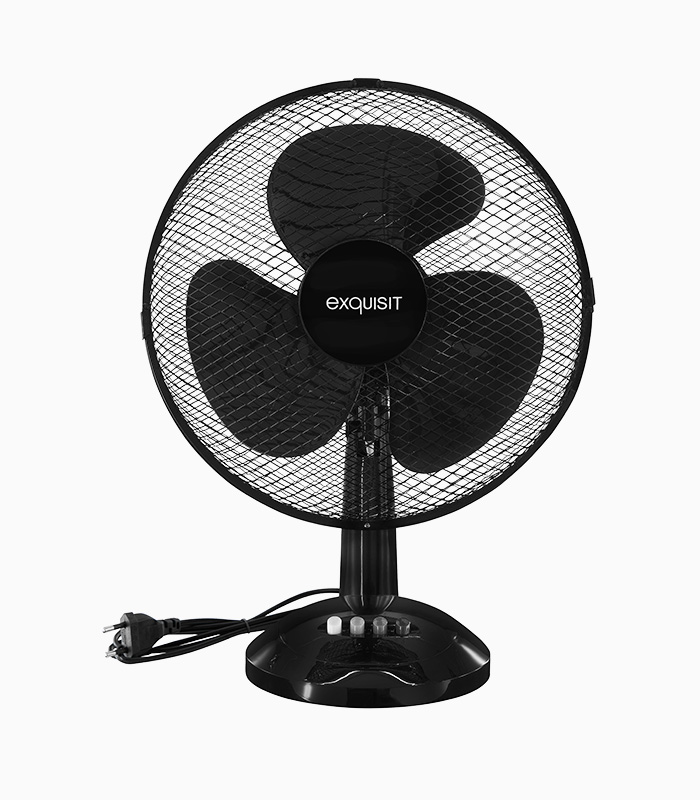


content reCAPTCHA to submit the form. Please note that this involves exchanging data with third-party providers.
More informationYou are currently viewing placeholder content from Turnstile. To access the actual content, click the button below. Please note that this will involve sharing data with third parties.
More informationYou are currently viewing placeholder content from Vimeo. To access the actual content, click the button below. Please note that this will involve sharing data with third parties.
More informationYou are currently viewing placeholder content from YouTube. To access the actual content, click the button below. Please note that this will involve sharing data with third parties.
More informationcontent reCAPTCHA to submit the form. Please note that this involves exchanging data with third-party providers.
More informationYou are currently viewing placeholder content from Klaviyo. To access the actual content, click the button below. Please note that this will involve sharing data with third parties.
More information