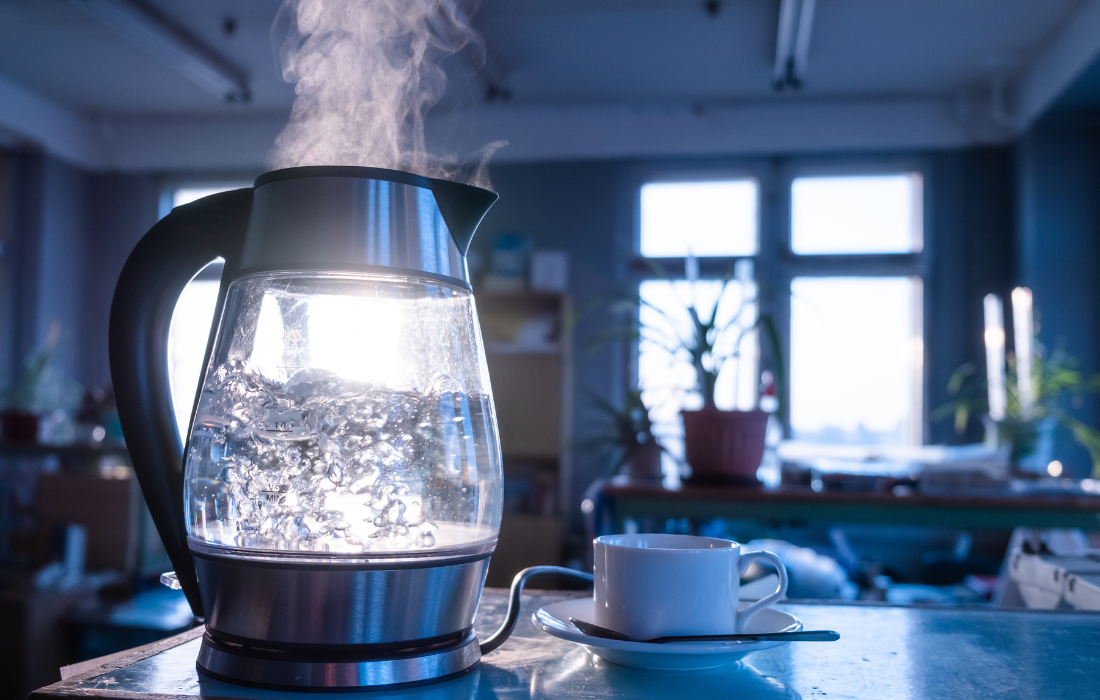
An electric kettle is an indispensable kitchen appliance that quickly provides us with hot water for tea, coffee, or other purposes. But how do you use it safely and efficiently? And how do you ensure a long lifespan? Here are the most important tips and advice.
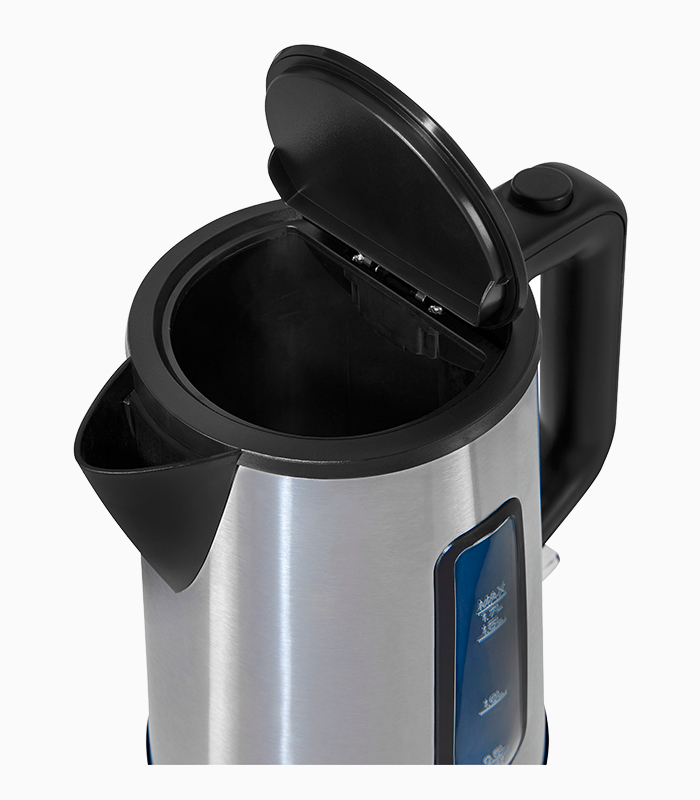
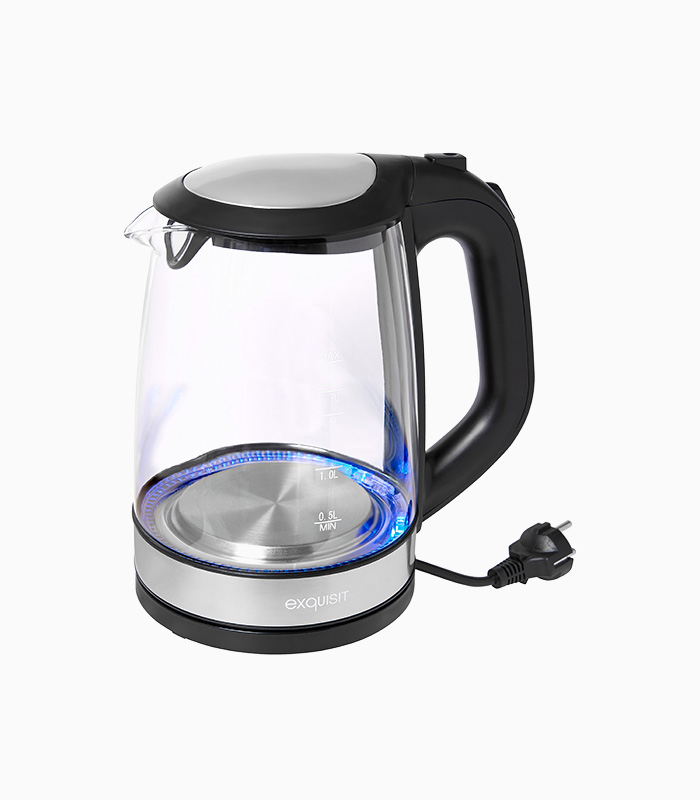
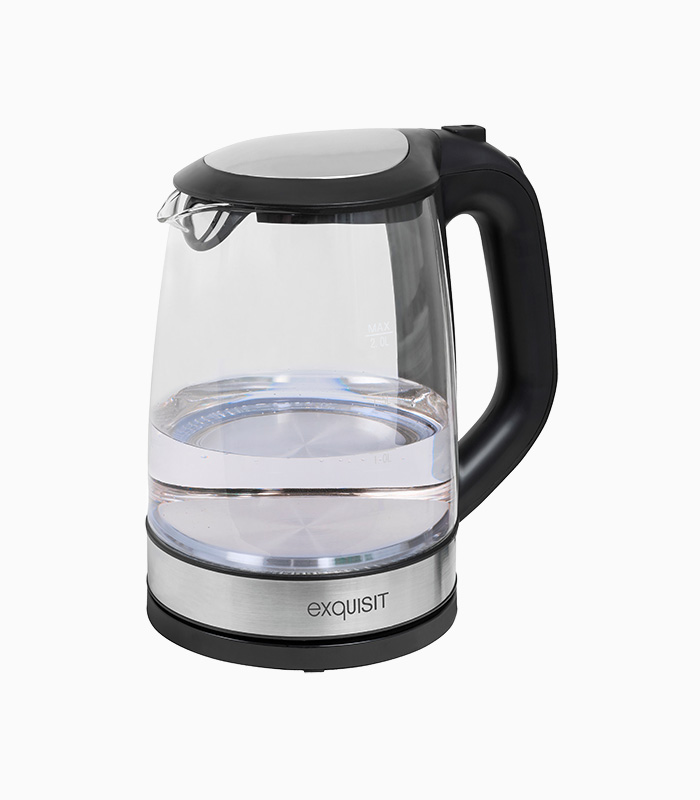
✅Observe the maximum and minimum fill levels: Always fill the kettle between the indicated marks. Too little water can cause the appliance to overheat, too much water can cause it to boil over.
✅Keep the lid closed while cooking: A closed lid prevents hot steam from escaping and causing scalding.
✅Stable placement: Place the kettle on a flat, non-slip surface to avoid accidents.
✅Use automatic shut-off: Modern kettles switch off automatically as soon as the water boils. Make sure this function is working properly.
✅Please note the boil-dry protection: Never switch on the kettle without water. An integrated boil-dry protection system prevents damage to the appliance.
❎Do not heat other liquids: Milk, broth, or other liquids must not be heated in the kettle. These can damage the appliance or make it difficult to clean.
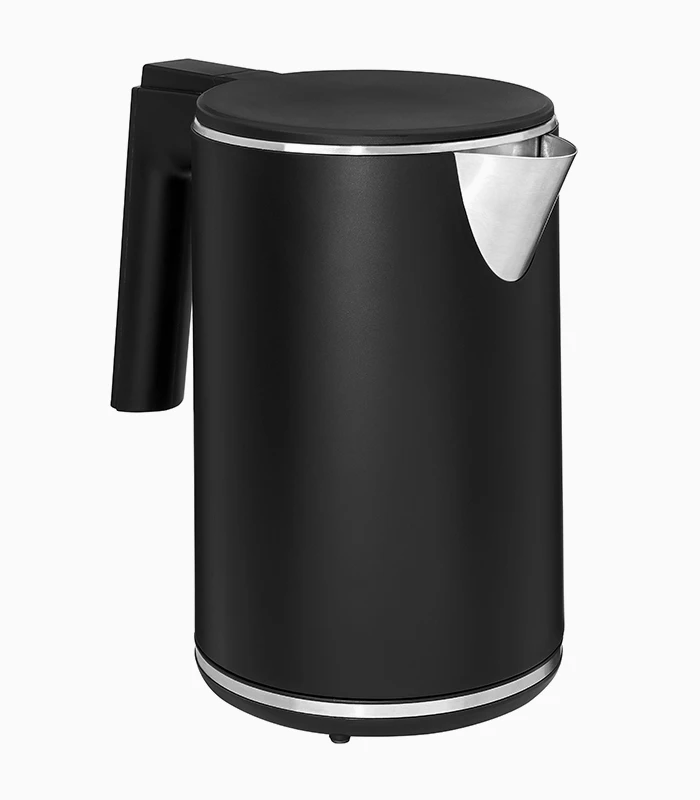
❎Caution with hot surfaces: Especially with stainless steel kettles, the housing gets hot. Only touch the insulated handle.
❎No open lid while cooking: Do not open the lid while the water is boiling to avoid scalding from hot steam.
❎Store cables safely: Do not let the cable hang over edges and keep it away from heat sources.
✅Heat only the required amount of water: Heat only as much water as you actually need. This saves energy and time.
✅Use warm water: If possible, fill the kettle with already warm tap water to shorten the heating time.
✅Boil multiple cups in succession: If you need hot water several times, boil it all at once. This way you use the residual heat efficiently.
✅Regular cleaning is crucial for the longevity of your kettle. Limescale deposits can impair heating performance and alter the taste of the water.
Cleaning tips:
With proper use and regular maintenance, your kettle will remain functional for a long time and always provide clean, hot water. Pay attention to safety instructions, clean and descale the appliance regularly – this will save energy and ensure a longer lifespan for your kitchen helper!

My additional tip:
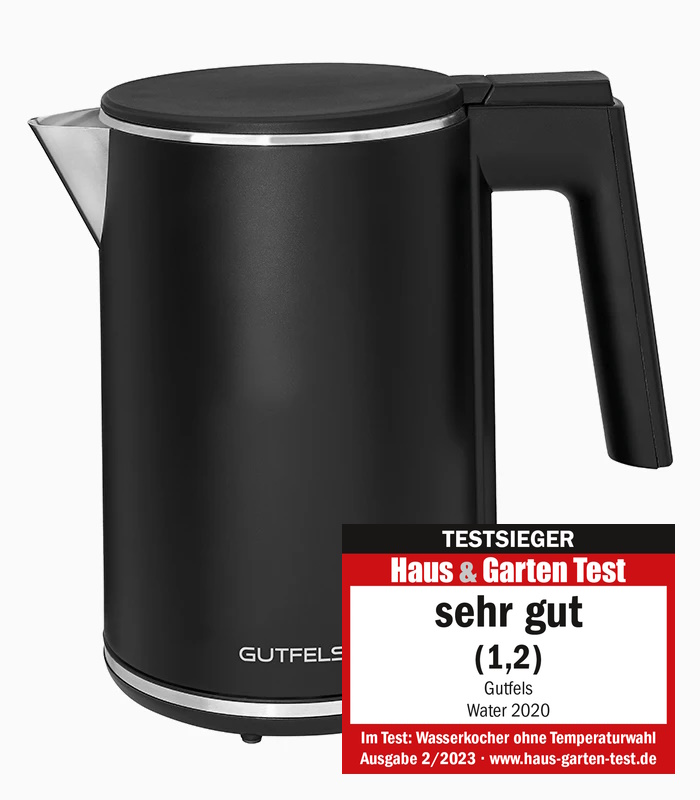
"When buying a new kettle, look for models with concealed heating elements. These make cleaning easier and reduce limescale buildup. Kettles with temperature control are also ideal for tea drinkers, as different types of tea require different temperatures (e.g., green tea at 70–80 °C)."


reCAPTCHA content to submit the form. Please note that this involves exchanging data with third-party providers.
More informationYou are currently viewing placeholder content from Turnstile . To access the actual content, click the button below. Please note that this will involve sharing data with third parties.
More informationYou are currently viewing placeholder content from Vimeo . To access the actual content, click the button below. Please note that this will involve sharing data with third parties.
More informationYou are currently viewing placeholder content from YouTube . To access the actual content, click the button below. Please note that this will involve sharing data with third parties.
More informationreCAPTCHA content to submit the form. Please note that this involves exchanging data with third-party providers.
More informationYou are currently viewing placeholder content from Klaviyo . To access the actual content, click the button below. Please note that this will involve sharing data with third parties.
More information