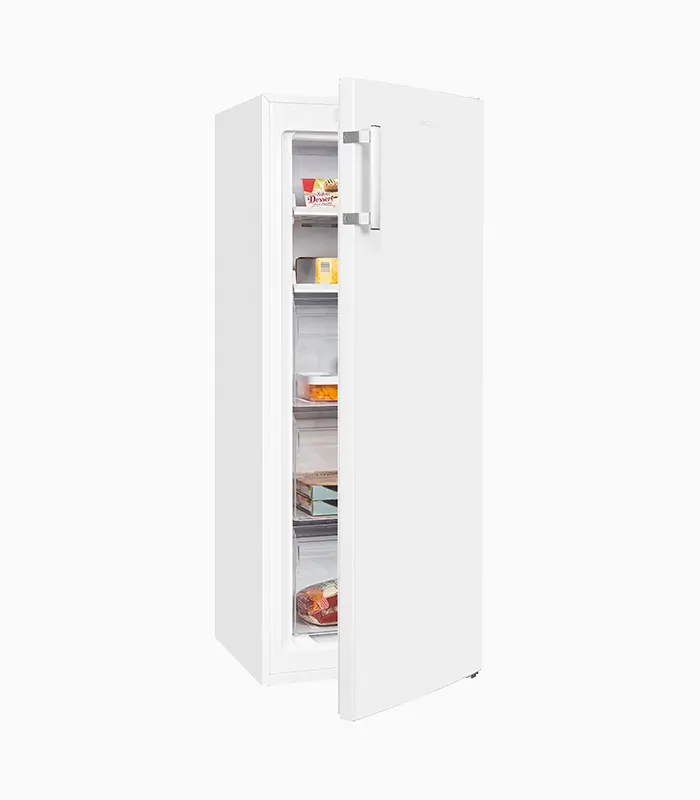


Proper food storage in the refrigerator is crucial for preserving freshness and extending shelf life. However, many people are unaware that the correct placement of food plays a significant role. This article will show you how to optimally store your food in the refrigerator.
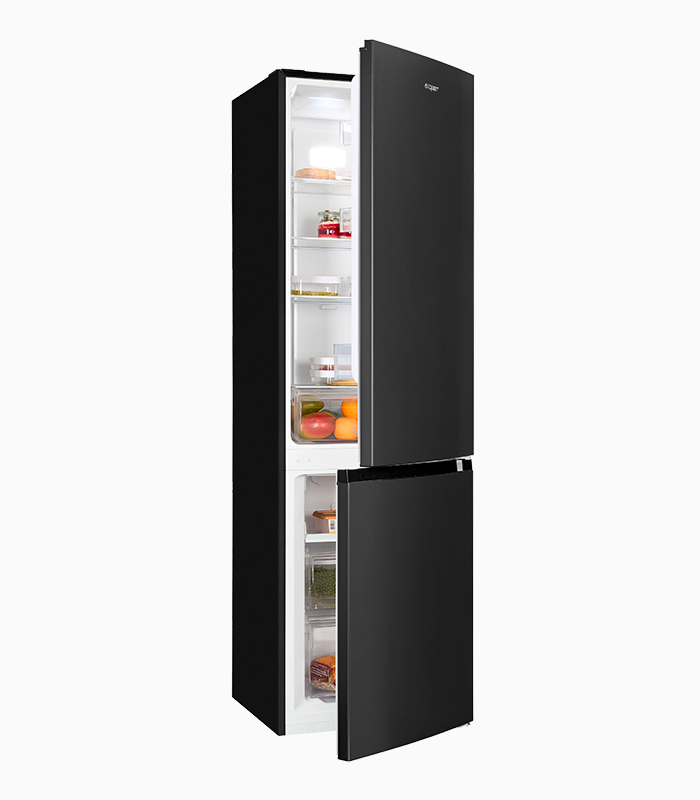
The top shelves of the refrigerator are the warmest, so they are best suited for prepared food or drinks that don't require extremely low temperatures. Leftovers from dinner or drinks like juice and water can be stored here.
Tip: When storing prepared dishes, make sure they are well packaged to avoid unpleasant odors or drying out.
The middle sections of the refrigerator maintain a constant temperature. Therefore, these shelves are ideal for products such as milk, yogurt, cheese, and eggs, which require consistent cooling.
Tip: Store milk and yogurt in their original packaging to keep them fresh for longer.
The bottom shelves of the refrigerator are the coldest, making them the perfect place for raw meat, fish, or poultry. It's important to ensure these foods are well-wrapped or stored in an airtight container to prevent cross-contamination with other foods.
Tip: If you don't open the refrigerator often, make sure that raw meat and fish are always placed near the back wall of the refrigerator, where the temperature is lowest.
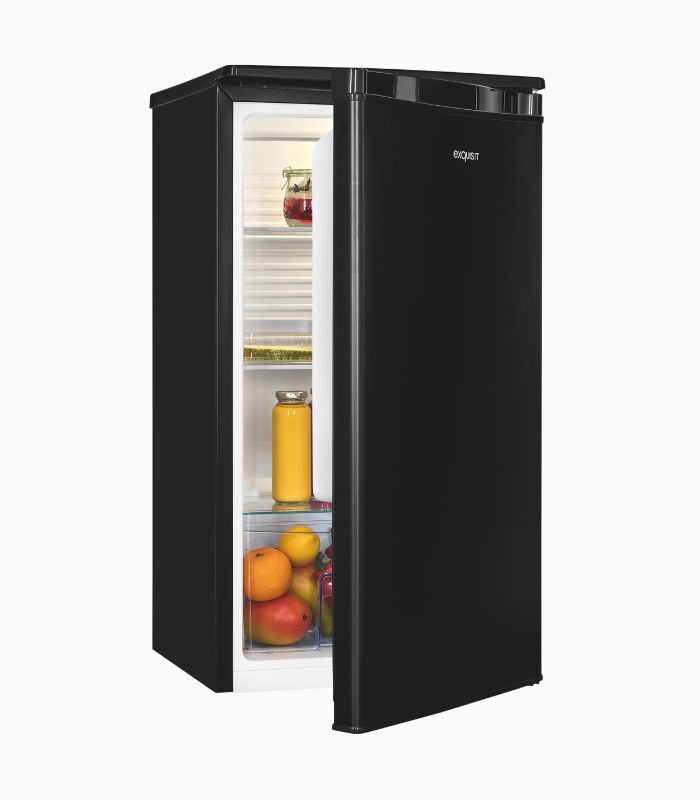
The special vegetable and fruit compartments in the refrigerator provide ideal humidity to keep fruits and vegetables fresh. However, you should be aware that not all fruits and vegetables belong in the refrigerator.
Tip: Regularly check that the fruit and vegetables are stored correctly and remove any perishable products to protect the rest.
The refrigerator door is the warmest spot in the refrigerator and is therefore well-suited for foods that don't require extremely low temperatures. Here you can store butter, ketchup, mustard, sauces, or even drinks like juice and soda.
Tip: Make sure that products such as eggs and milk are not placed in the door compartments, as the temperatures fluctuate here and these products can spoil faster.
Tip: Check the contents of your refrigerator regularly and place older food items at the front so that they are used up first.
Properly placing food in the refrigerator ensures that your products stay fresh longer and that no food waste occurs. By using the right shelves and compartments, you not only benefit from optimal cooling, but also from better organization and more efficient use of space. This keeps your refrigerator efficient and your food edible for longer!

My recommendation:
"Use the zones in your refrigerator consciously and ensure that air can circulate. Place more delicate products like milk and eggs on the middle shelves and avoid unnecessary overcrowding. A well-organized refrigerator not only saves space but also helps you keep food fresh for longer."



You need to load the reCAPTCHA content to submit the form. Please note that this involves exchanging data with third-party providers.
More informationYou are currently viewing placeholder content from Turnstile. To access the actual content, click the button below. Please note that this will involve sharing data with third parties.
More informationYou are currently viewing placeholder content from Vimeo. To access the actual content, click the button below. Please note that this will involve sharing data with third parties.
More informationYou are currently viewing placeholder content from YouTube. To access the actual content, click the button below. Please note that this will involve sharing data with third parties.
More informationYou need to load the reCAPTCHA content to submit the form. Please note that this involves exchanging data with third-party providers.
More informationYou are currently viewing placeholder content from Klaviyo. To access the actual content, click the button below. Please note that this will involve sharing data with third parties.
More information