



The dishwasher is an indispensable household helper. But to save water, extend the appliance's lifespan, and always get perfectly clean dishes, there are a few simple yet effective tips. Here's how to get the most out of your dishwasher.
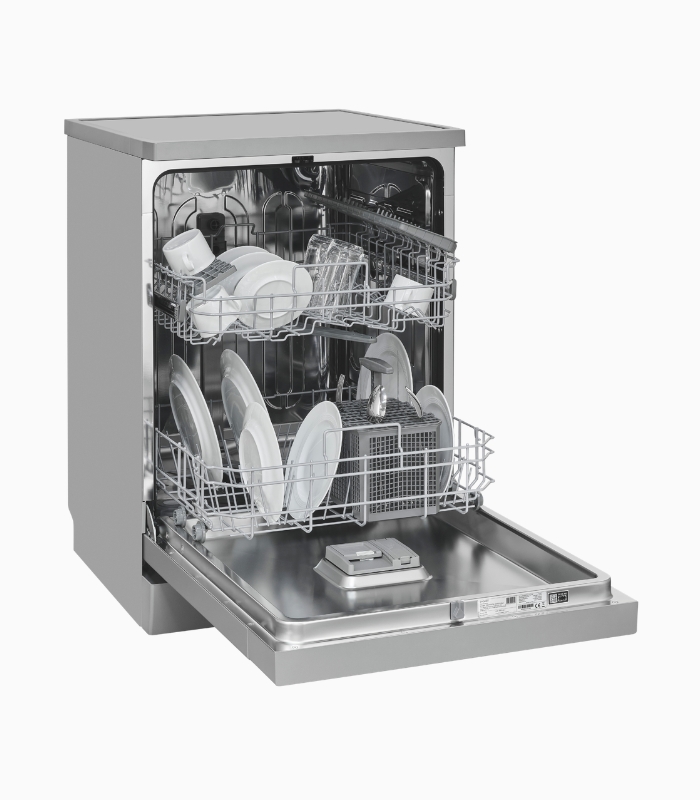
To ensure the dishes are completely clean, they should be arranged correctly:
Tip: The spray arms should be able to rotate freely, otherwise the dishes will not be properly cleaned.
Not all dishes need the most intensive cycle. Here's how to save water:
Tip: The Eco program may take longer, but often uses less water than quick programs.
To ensure the dishwasher remains efficient in the long term, it should be maintained:
Tip: Vinegar or citric acid are natural alternatives for machine cleaning and prevent limescale deposits.
A dishwasher already saves water compared to washing dishes by hand, but the following tricks can make it even more efficient:
Tip: A cold pre-rinse can help to loosen coarse dirt and prevents unnecessary water consumption in the main wash.
Not all tablets and powders are created equal. Important points to consider when choosing:
Tip: Always use dishwasher salt in areas with hard water to prevent limescale buildup.
Using your dishwasher efficiently not only protects the environment and your wallet, but also ensures that your dishes always stay clean and hygienic. By loading it carefully, selecting the right program, and regularly maintaining the machine, you can save water in the long run and extend the appliance's lifespan.

My additional tip for you:
"If glasses appear cloudy after washing, this could be due to glass corrosion. To avoid this, delicate glasses should be washed at a low temperature and treated with a special glass protectant. Alternatively, briefly opening the door after the wash cycle to allow the steam to escape can help."





reCAPTCHA content to submit the form. Please note that this involves exchanging data with third-party providers.
More informationYou are currently viewing placeholder content from Turnstile . To access the actual content, click the button below. Please note that this will involve sharing data with third parties.
More informationYou are currently viewing placeholder content from Vimeo . To access the actual content, click the button below. Please note that this will involve sharing data with third parties.
More informationYou are currently viewing placeholder content from YouTube . To access the actual content, click the button below. Please note that this will involve sharing data with third parties.
More informationreCAPTCHA content to submit the form. Please note that this involves exchanging data with third-party providers.
More informationYou are currently viewing placeholder content from Klaviyo . To access the actual content, click the button below. Please note that this will involve sharing data with third parties.
More information