


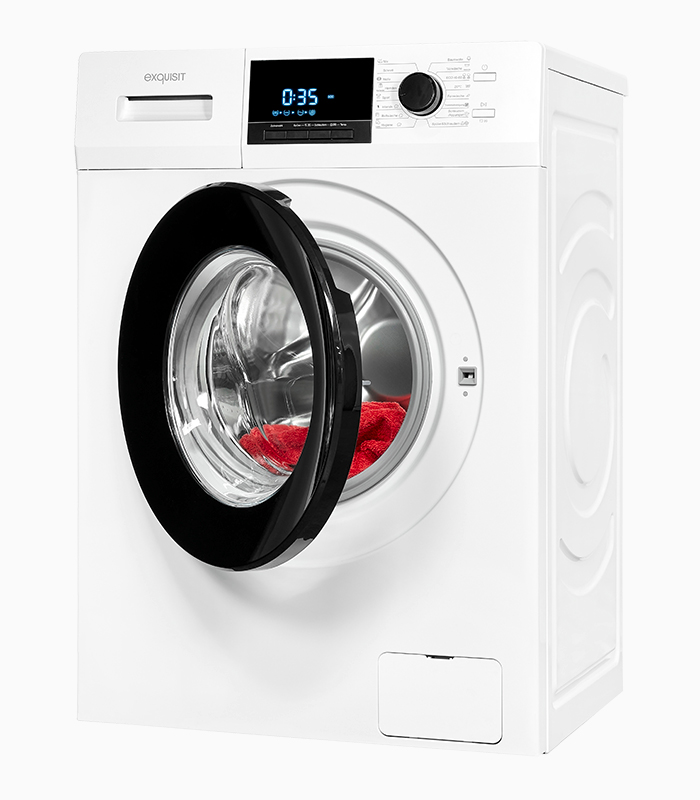
The delivery of your new washing machine is often an exciting moment – after all, you want to put it into operation as soon as possible. But before you start the first wash cycle, there are some important steps you should follow to ensure that your washing machine is working correctly and hasn't been damaged during transport.
✅The first step to ensuring your washing machine functions perfectly is proper placement. Make sure the floor is level. If the machine is uneven, it can cause strong vibrations and noise. Ensure the washing machine is firmly and stably positioned for quiet operation.
✅After delivery, all packaging materials such as polystyrene and protective films must be removed. This is a frequently overlooked step, but necessary to ensure proper functioning. In particular, the transport lock (usually a screw or bolt that secures the drum mechanism) must be removed. This prevents the drum from moving during transport and must be unscrewed before the first wash cycle.
✅ Ensure all connections are properly attached. This includes the water hose, which must be securely connected to the tap, and the drain hose, which must be correctly inserted into the drain. Incorrect connections can lead to leaks and even damage.
✅Before switching on the washing machine, check that the socket and power cord are in perfect working order. If possible, use a socket that is directly connected to the appliance, without extension cords or power strips, as these could affect the power supply.
✅Once the washing machine is properly set up and connected, you should run an empty cycle (i.e., without laundry). Select a short wash program. This will ensure that all of the machine's functions are working correctly – from water intake to draining.
✅Pay attention to whether the washing machine is making any unusual noises or vibrations. These could indicate improper installation or a problem with the internal components. A slight whirring or humming is normal, but loud noises could point to faulty installation or another problem.
✅After the first test run, check for water leaks anywhere on the washing machine or its connections. If you find any, tighten the connections or ensure everything is properly secured.
By following the steps above, you can ensure that your washing machine functions correctly after delivery and that you get the best performance from your appliance. A little patience and attention during installation will pay off and prevent problems later on.

One thing I always check:
"Before I start a new washing machine, I make sure the transport bolt has actually been removed. This is often overlooked, but it can lead to damage to the drum and other important components. A quick check saves trouble later!"





reCAPTCHA content to submit the form. Please note that this involves exchanging data with third-party providers.
More informationYou are currently viewing placeholder content from Turnstile . To access the actual content, click the button below. Please note that this will involve sharing data with third parties.
More informationYou are currently viewing placeholder content from Vimeo . To access the actual content, click the button below. Please note that this will involve sharing data with third parties.
More informationYou are currently viewing placeholder content from YouTube . To access the actual content, click the button below. Please note that this will involve sharing data with third parties.
More informationreCAPTCHA content to submit the form. Please note that this involves exchanging data with third-party providers.
More informationYou are currently viewing placeholder content from Klaviyo . To access the actual content, click the button below. Please note that this will involve sharing data with third parties.
More information