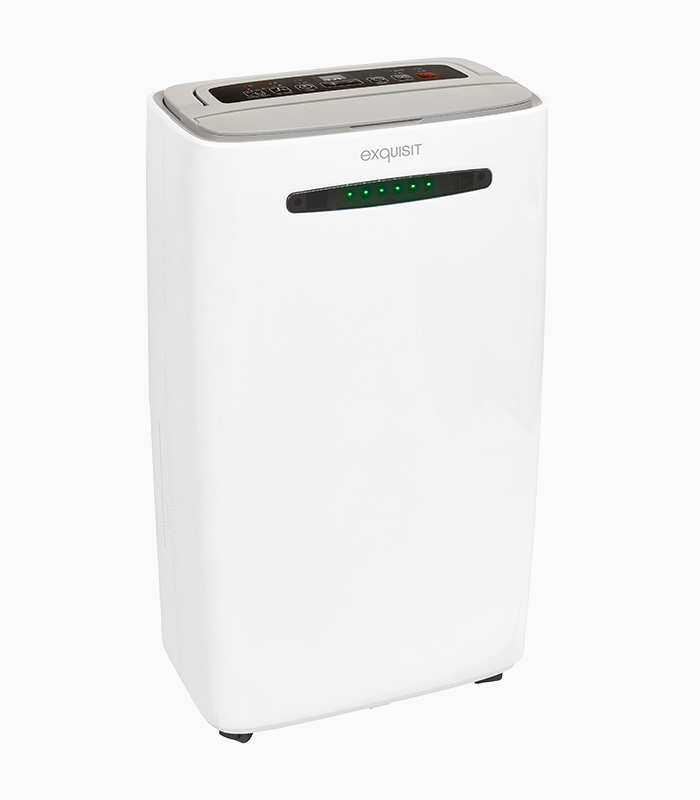


For millions of allergy sufferers, the battle against invisible enemies like pollen, house dust, and pet dander is a daily struggle. But one solution promises relief: air purifiers. But do these devices really make sense for allergy sufferers?
Scientific studies confirm: Yes, air purifiers can be quite beneficial for allergy sufferers. They demonstrably reduce the concentration of allergens in indoor air and can noticeably alleviate allergic symptoms. A multicenter study from Asia showed that HEPA air purifiers efficiently reduce fine dust and house dust mites in indoor air and improve the clinical manifestation in patients with allergic rhinitis.
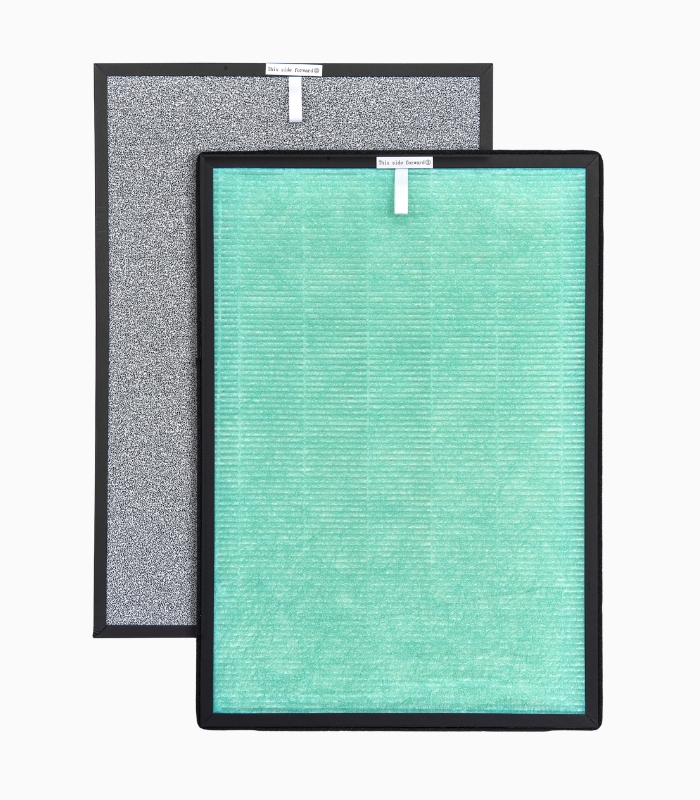
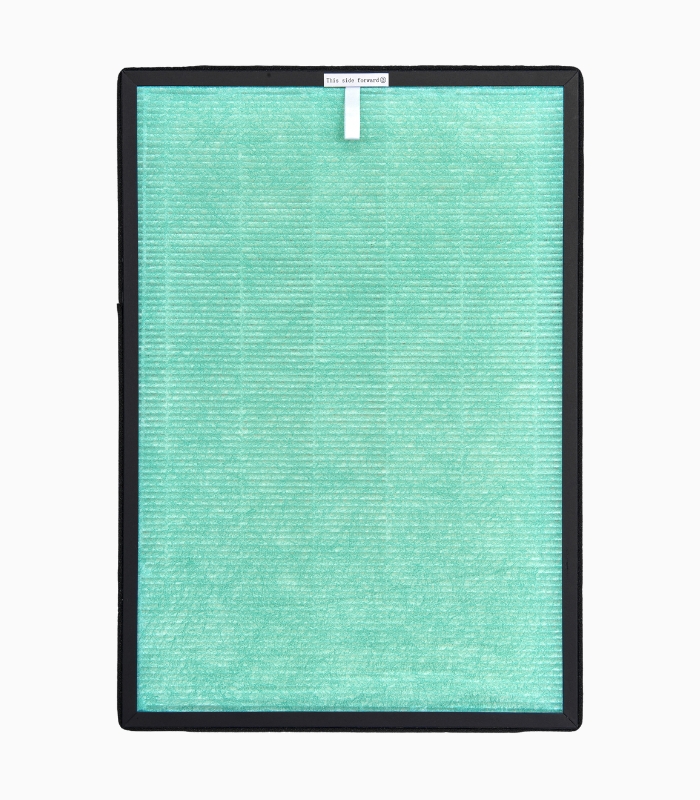
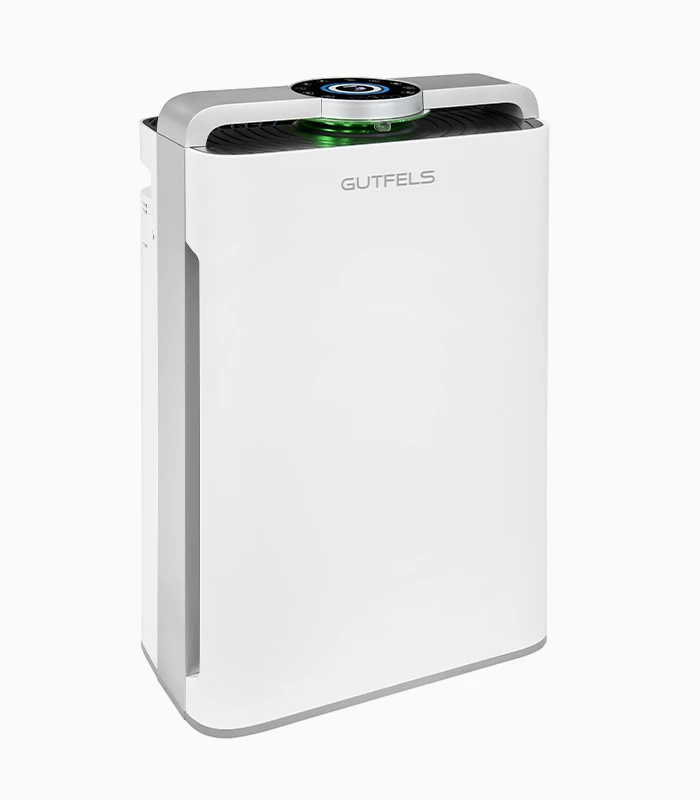
The heart of an effective air purifier for allergy sufferers is the HEPA filter. These highly efficient particle filters can remove up to 99.97% of all particles larger than 0.1μm from the air. This means that pollen, house dust, pet dander, and even the smallest airborne particles are effectively filtered.
When choosing an air purifier, allergy sufferers should pay attention to the following points:
Mold spores pose a particular danger to allergy sufferers. These microscopic particles can cause severe allergic reactions and respiratory problems. Air purifiers with HEPA filters of class 13 or higher are capable of filtering over 99% of mold spores from the air. However, it is important to note that while air purifiers can alleviate symptoms, they do not eliminate the source of mold growth. Comprehensive mold remediation requires additional measures such as humidity control and the removal of the mold source.
It's important to understand that air purifiers are not miracle cures. They can reduce airborne allergens, but not eliminate them completely. Allergens that have already settled on surfaces remain unaffected. Therefore, regular cleaning is still essential.
For allergy sufferers, air purifiers can be a valuable addition to allergy treatment. They improve indoor air quality and can lead to a noticeable reduction in symptoms. Especially in bedrooms, they can create an allergen-free oasis and thus contribute to more restful sleep.

My additional tip:
"Air purifiers offer noticeable relief to allergy sufferers and can improve their quality of life. They are particularly helpful against mold spores, but should be part of a comprehensive mold control strategy."






reCAPTCHA content to submit the form. Please note that this involves exchanging data with third-party providers.
More informationYou are currently viewing placeholder content from Turnstile . To access the actual content, click the button below. Please note that this will involve sharing data with third parties.
More informationYou are currently viewing placeholder content from Vimeo . To access the actual content, click the button below. Please note that this will involve sharing data with third parties.
More informationYou are currently viewing placeholder content from YouTube . To access the actual content, click the button below. Please note that this will involve sharing data with third parties.
More informationreCAPTCHA content to submit the form. Please note that this involves exchanging data with third-party providers.
More informationYou are currently viewing placeholder content from Klaviyo . To access the actual content, click the button below. Please note that this will involve sharing data with third parties.
More information