
Range hoods are indispensable helpers in modern kitchens, ensuring clean air by removing cooking fumes, grease, and unpleasant odors. But how exactly does such a device work? This article will tell you everything you need to know about how range hoods function and the different types available.
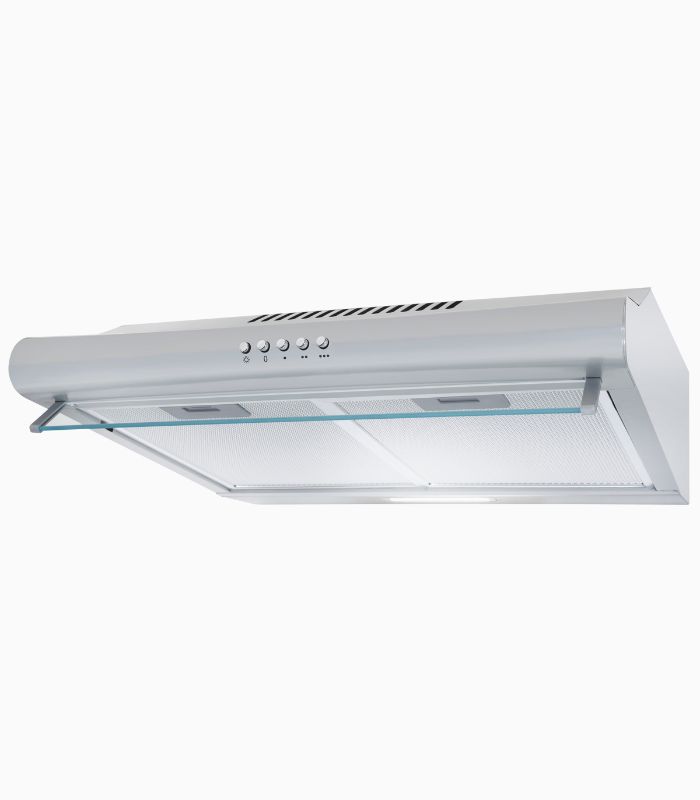
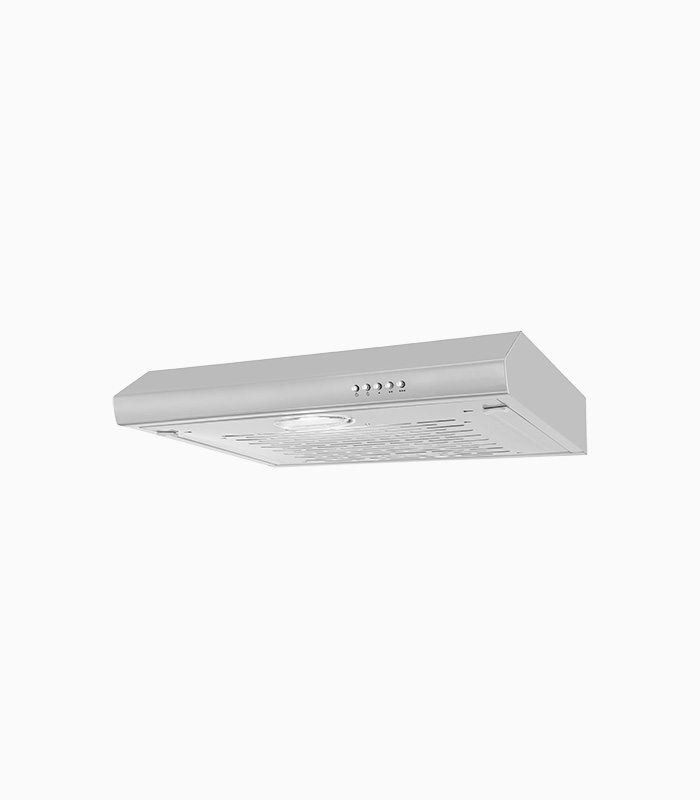
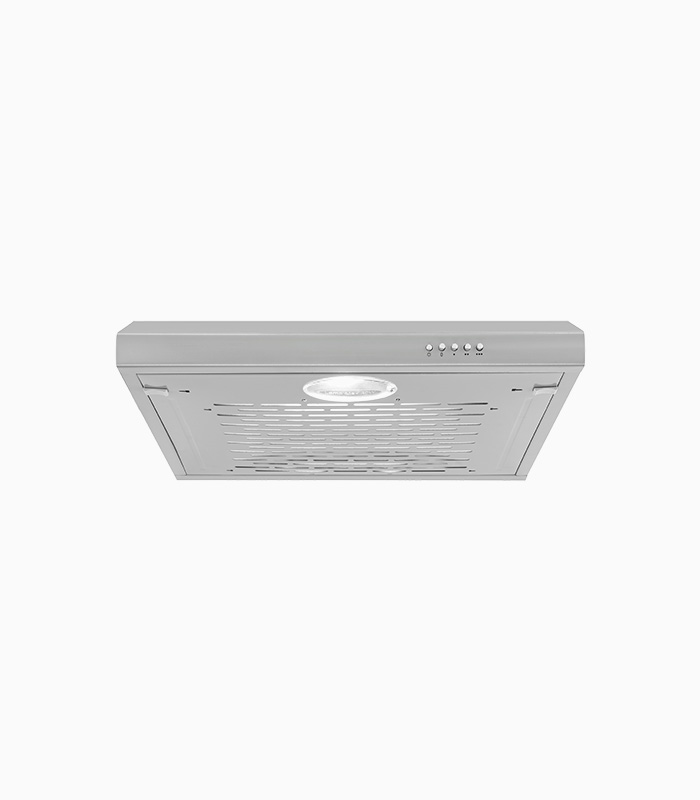
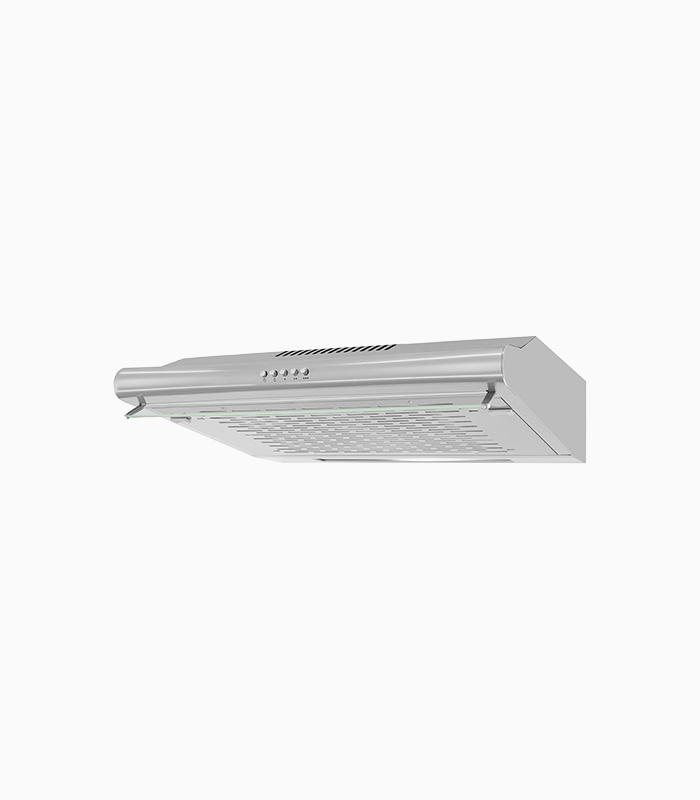
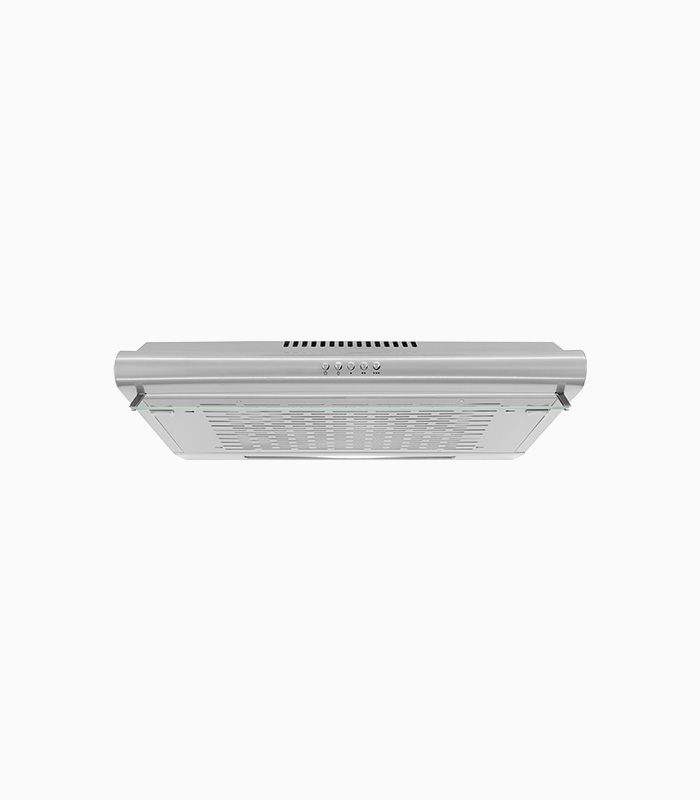
A range hood is an appliance installed above the stove to extract cooking fumes, smoke, and odors from the kitchen. It typically consists of a metal housing, a filter, and a fan. The appliance helps maintain good air quality in the kitchen by filtering pollutants such as grease and water vapor from the air.
There are various models of extractor hoods that differ in their functionality:
Exhaust air operation
recirculation mode
Combined operation
Range hoods are indispensable appliances in modern kitchens, ensuring clean air by removing cooking fumes, grease, and unpleasant odors. But how exactly does a range hood work? This article will tell you everything you need to know about how range hoods function and the different types available.
The extractor hood works in several steps to clean the air:
Extraction
Filtration
The intake air is passed through different types of filters:
Exhaust air or recirculation
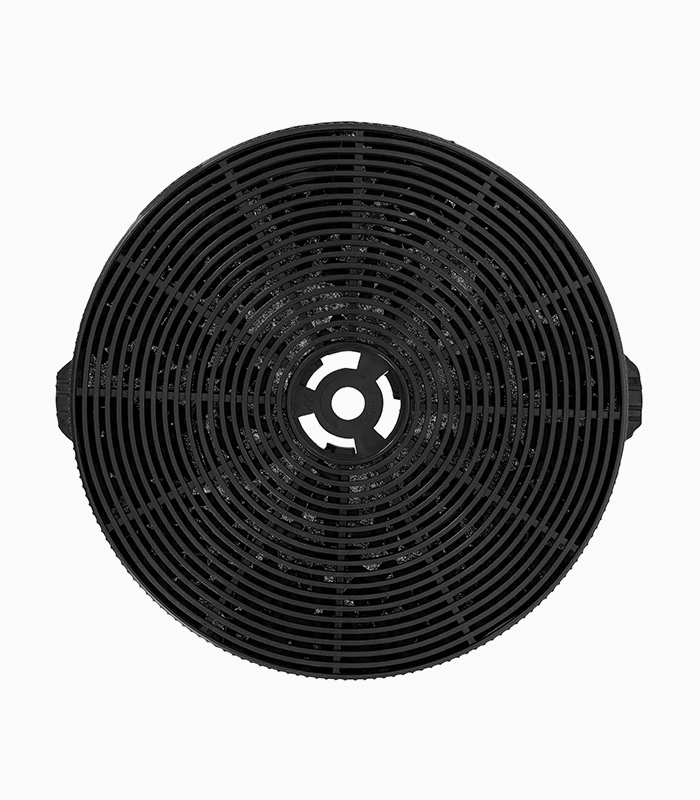
Filters play a crucial role in the functioning of the extractor hood. There are two main types of filters:
Grease filter
activated carbon filter
Extractor hoods offer several advantages for your kitchen:
Range hoods are essential appliances that ensure clean and pleasant air in the kitchen. Whether you choose an exhaust or recirculation model depends on the specifics of your kitchen. Regular maintenance and cleaning of the filters ensures that your range hood always functions optimally and that your kitchen remains consistently clean

"To maintain the performance of your extractor hood in the long term, clean the grease filter regularly – ideally every 2 to 3 weeks, depending on how often you use it. Many grease filters are dishwasher-safe, which makes maintenance much easier. If your hood operates in recirculation mode, remember to change the activated carbon filter every 3 to 6 months to effectively neutralize unpleasant odors."





reCAPTCHA content to submit the form. Please note that this involves exchanging data with third-party providers.
More informationYou are currently viewing placeholder content from Turnstile . To access the actual content, click the button below. Please note that this will involve sharing data with third parties.
More informationYou are currently viewing placeholder content from Vimeo . To access the actual content, click the button below. Please note that this will involve sharing data with third parties.
More informationYou are currently viewing placeholder content from YouTube . To access the actual content, click the button below. Please note that this will involve sharing data with third parties.
More informationreCAPTCHA content to submit the form. Please note that this involves exchanging data with third-party providers.
More informationYou are currently viewing placeholder content from Klaviyo . To access the actual content, click the button below. Please note that this will involve sharing data with third parties.
More information